Okay, sorry for yesterday's slackin'. Today's post is a bit more cerebral... :)
In more modern and domestic genres/settings, death is not always a realistic part of the picture (terminal illnesses and accidents notwithstanding). In fantasy, though, the world is more cruel, the enemies more bloodthirsty, the perils more treacherous--at least, in a literal sense. If we’re being “realistic” in the genre, death is probably something that lingers in most characters’ minds in the story.
But authors are typically loathe to kill off important characters, and death is not nearly as frequent as may be realistic (there’s that word again!). Rightfully so, I’d argue, as the writer spends considerable time, effort, and word count crafting and sharing these personalities. We, as readers, also form a bond with these characters, and reading their deaths can be a shocking, perhaps even infuriating, experience if we are unprepared or if the death is poorly timed or handled.
Even the death of the “Big Bad” of the book/trilogy/saga is something that should be appropriately paced and preceded by the right amount of suspense and danger so that the reader doesn’t feel like the villain’s defeat is inevitable or too easy. And hopefully, prior to that culminating battle, the author has fleshed out the villain enough that we have plenty to hate/pity/empathize before the character is written into the ether.
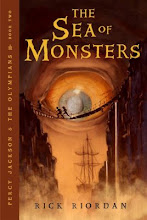
Dipping this post a bit into the YA section (which is, after all, my WIP’s focus), it seems that death might need to be handled even more gingerly than with adult fantasy. Do we really want to thrust such a permanent, sometimes traumatic experience on a younger reader? Chima’s Heir series does not exactly shy away from death, although the story tends to flirt with the theme rather than commit to it (with a couple big exceptions, off the top of my head--no spoilers!). For Riordan’s Percy Jackson books, targeted at an even younger audience, the author cleverly explains that the ancient Greek monsters magically dissipate, rather than die, upon defeat, only to return another day to plague our lil’ hero. (Cheesy, some may say, but probably a wise move on the author’s part.)
So what is your stance on death in your stories (reading and writing!)?
Showing posts with label writing ideas. Show all posts
Showing posts with label writing ideas. Show all posts
Tuesday, February 9, 2010


Wednesday, February 3, 2010
Love is in the air...
I feel like I should be saving this post for Valentine’s Day. However, since it falls on the weekend this year and I’m not nearly as cool as the seven day samurai Jon, I’ll opine and muse on this topic a bit early.
My sister is under the impression that I’m vehemently against romance elements and subplots in books. “This one has a little romance, but not really,” she said about one of her book recommendations. “Oh, this one is more mushy than her [the author’s] other books, so hope that’s okay,” she apologized another time. I thought it was funny that she always felt compelled to add a romance disclaimer.
To her credit, my sister does know me very well; I’m not big on romance as the dominant theme of books and movies. I can handle (nay, even enjoy) romantic comedies, as long as the comedy part is good. But serious romantic stories? No, thank you. Perhaps that’s why I didn’t find Titanic to be the superb experience that countless others did.
Does that mean that I must suppress the urge to puke when I read a romantic passage? Or avert my eyes when we see two characters share an angst-riddled kiss? Absolutely not. I’m actually a proponent of romance--on two conditions:
1.) It is supplementary to the main theme and story.
2.) It adds meaningful layers of complexity and depth to character motivations and relationships (e.g., it doesn’t detract from the main plot; see #1).
For my genre of choice (fantasy), I think those qualifications are key. Fantasy books are about epic struggles against tyranny, society, or nature. They are tales about fulfilling or defying prophecy. They take us on journeys of growth in stature, power, and maturity. Romance can enrich these stories, but I don’t think they should dominate them.
The books that inspired my sister’s disclaimers (Cinda Williams Chima’s Heir and Seven Realms novels) are actually “good” examples of weaving romance into a fantasy tale. Princess Raisa in The Demon King pines after two fellows, a wizard and a soldier. The author keeps the thoughts and actions rather chaste, and the positions held by Raisa’s love interests add a definite level of suspense and complication to the story. (Both of these boys are strictly forbidden as suitors, and Raisa’s mother seeks to marry sixteen-year-old Raisa rather quickly for political reasons. Oops, I should save this stuff for my review post.)
One example that got romance wrong for me? The film version of Harry Potter 4. Harry’s mostly unrequited feelings for Cho and the awkward, sometimes heated exchange between Hermione and Ron were too over-the-top for my taste. They imposed too much on the main story of the Tri-Wizard Tournament, making the movie feel like it was trying to be a part-romance as well as part-action/adventure. (And part-drama. And part-comedy. That movie tried to do and be too many things, IMO. Like the director couldn’t make up his mind on what the main flavor should be.)
Okay, enough of my soapbox. TL;DR. Basically, I’m okay with romance when it adds good flavor to the story without dominating it. The kicker? There’s some love interest in my WIP. Pretty tame, but it’s there. No heaving bosoms or anything like that, mind you. I'll leave that to Danielle Steele. :)
I’m interested to hear how you guys and gals feel about romance in your novels. In particular, YA books, since that is a preferred section for the current reader list. How okay are you with romance? How deep can authors go before it feels forced or unnecessary? Who did it right/wrong?
My sister is under the impression that I’m vehemently against romance elements and subplots in books. “This one has a little romance, but not really,” she said about one of her book recommendations. “Oh, this one is more mushy than her [the author’s] other books, so hope that’s okay,” she apologized another time. I thought it was funny that she always felt compelled to add a romance disclaimer.
To her credit, my sister does know me very well; I’m not big on romance as the dominant theme of books and movies. I can handle (nay, even enjoy) romantic comedies, as long as the comedy part is good. But serious romantic stories? No, thank you. Perhaps that’s why I didn’t find Titanic to be the superb experience that countless others did.
Does that mean that I must suppress the urge to puke when I read a romantic passage? Or avert my eyes when we see two characters share an angst-riddled kiss? Absolutely not. I’m actually a proponent of romance--on two conditions:
1.) It is supplementary to the main theme and story.
2.) It adds meaningful layers of complexity and depth to character motivations and relationships (e.g., it doesn’t detract from the main plot; see #1).
For my genre of choice (fantasy), I think those qualifications are key. Fantasy books are about epic struggles against tyranny, society, or nature. They are tales about fulfilling or defying prophecy. They take us on journeys of growth in stature, power, and maturity. Romance can enrich these stories, but I don’t think they should dominate them.
The books that inspired my sister’s disclaimers (Cinda Williams Chima’s Heir and Seven Realms novels) are actually “good” examples of weaving romance into a fantasy tale. Princess Raisa in The Demon King pines after two fellows, a wizard and a soldier. The author keeps the thoughts and actions rather chaste, and the positions held by Raisa’s love interests add a definite level of suspense and complication to the story. (Both of these boys are strictly forbidden as suitors, and Raisa’s mother seeks to marry sixteen-year-old Raisa rather quickly for political reasons. Oops, I should save this stuff for my review post.)
One example that got romance wrong for me? The film version of Harry Potter 4. Harry’s mostly unrequited feelings for Cho and the awkward, sometimes heated exchange between Hermione and Ron were too over-the-top for my taste. They imposed too much on the main story of the Tri-Wizard Tournament, making the movie feel like it was trying to be a part-romance as well as part-action/adventure. (And part-drama. And part-comedy. That movie tried to do and be too many things, IMO. Like the director couldn’t make up his mind on what the main flavor should be.)
Okay, enough of my soapbox. TL;DR. Basically, I’m okay with romance when it adds good flavor to the story without dominating it. The kicker? There’s some love interest in my WIP. Pretty tame, but it’s there. No heaving bosoms or anything like that, mind you. I'll leave that to Danielle Steele. :)
I’m interested to hear how you guys and gals feel about romance in your novels. In particular, YA books, since that is a preferred section for the current reader list. How okay are you with romance? How deep can authors go before it feels forced or unnecessary? Who did it right/wrong?
Thursday, January 28, 2010
Familiar fantasy elements: accessible or uninspired?
I’ve been fleshing out the “world” for my WIP while busting out cardio at the gym these last few days. Key people, history of events, allied and competing factions, the role of magic, that sort of stuff. It’s a lot harder and a lot more involved than I expected!
Additional depth and flavor to a story comes by establishing a setting rich with background detail. I think this is especially true of fantasy lit, since the reader can’t necessarily draw from real world knowledge to fill in the gaps. You essentially have to build the world for them from scratch.
While dreaming up these world elements, I often wonder where the sweet spot is between using familiar conventions for accessibility and coming up with unique ideas to demonstrate originality. For example, is it bad to have Tolkien-esque elves in your world, ones that live hundreds or thousands of years and maintain only tentative, lukewarm relationships with mankind? Or fire-breathing dragons that dominate the sky and instill awe and fear in your main character? Or kind old wizards who are a key source of wisdom, encouragement, and power?
I think the term “unique” is very relative in the realm of fantasy lit, particularly those with a medieval, high-fantasy flavor. With all the Middle-earths and Narnias and Prydains on the shelves already, you’d be hard-pressed to come up with anything truly original.
But there’s a difference between “familiar” and “trite”, and perhaps, the elusive formula involves keeping the amount of borrowed elements low enough that your setting doesn’t slip into that latter category. An original story or perspective also seems to go a long way in excusing the use of less innovative material. David Eddings’ Elenium series is an excellent example, including Crusades-style knights, a poisoned queen, and a powerful sorceress among its key pieces. Yet the author’s tweaking and positioning of these elements make for an enjoyable story that has that distinctive Eddings touch. (I think language/writing style has a lot to do with it as well.)
What do you guys think about borrowed fantasy elements? Does it irk you when you encounter them in your reading? Do you appreciate the familiarity that comes with it? Is there a line that should not be crossed? Do you have examples of books that marry familiar fantasy components with unique elements and perspectives? (That last one is a bit of a solicitation for future review material. I have three books on my reading queue already, but I'm always looking for more suggestions!)
Additional depth and flavor to a story comes by establishing a setting rich with background detail. I think this is especially true of fantasy lit, since the reader can’t necessarily draw from real world knowledge to fill in the gaps. You essentially have to build the world for them from scratch.
While dreaming up these world elements, I often wonder where the sweet spot is between using familiar conventions for accessibility and coming up with unique ideas to demonstrate originality. For example, is it bad to have Tolkien-esque elves in your world, ones that live hundreds or thousands of years and maintain only tentative, lukewarm relationships with mankind? Or fire-breathing dragons that dominate the sky and instill awe and fear in your main character? Or kind old wizards who are a key source of wisdom, encouragement, and power?
I think the term “unique” is very relative in the realm of fantasy lit, particularly those with a medieval, high-fantasy flavor. With all the Middle-earths and Narnias and Prydains on the shelves already, you’d be hard-pressed to come up with anything truly original.
But there’s a difference between “familiar” and “trite”, and perhaps, the elusive formula involves keeping the amount of borrowed elements low enough that your setting doesn’t slip into that latter category. An original story or perspective also seems to go a long way in excusing the use of less innovative material. David Eddings’ Elenium series is an excellent example, including Crusades-style knights, a poisoned queen, and a powerful sorceress among its key pieces. Yet the author’s tweaking and positioning of these elements make for an enjoyable story that has that distinctive Eddings touch. (I think language/writing style has a lot to do with it as well.)
What do you guys think about borrowed fantasy elements? Does it irk you when you encounter them in your reading? Do you appreciate the familiarity that comes with it? Is there a line that should not be crossed? Do you have examples of books that marry familiar fantasy components with unique elements and perspectives? (That last one is a bit of a solicitation for future review material. I have three books on my reading queue already, but I'm always looking for more suggestions!)
Tuesday, January 26, 2010
I think, therefore I write
I had a bit of a writing/story breakthrough this weekend—at the gym, of all places. See, I’ve recently ditched my workout buddies in favor of some quality “me” time during my workouts. Not to mention that working out with one of my friends typically involves more chatting and catching up than real exercise. So an hour at the gym alone is much more productive than an hour with a buddy. Hooray for efficiency!
Since I don’t have an iPod strapped to my arm (I’d end up singing along, and I don’t want to be “that guy”), I find the gym’s great for clearing my head and thinking things through, writing ideas included. Cardio is a pretty mindless activity (unless I’m doing interval training, oh goodness, I need to start another blog */em grin*), which leaves 95% of my brain to mull over and muse on whatever I fancy. And for the time being, that fancy is my manuscript-in-progress.
I don’t know how unconventional this method of finding think time is, or the fact that I even feel compelled to schedule (to use the term loosely) time to plan my story and thoughts. That’s partially why I’m rambling about it today. I struggle with just sitting down at my laptop and thinking about my story. Perhaps it stems from some self-imposed guilt around time management, like I should be snatching up pockets of contemplation while doing other activities, since a full-time job and the semblance of a social life already impose enough on my desire to put my e-pen to e-paper. When I block out time to sit down and write, I want as much of that time spent increasing my word count meaningfully.
So for you writers out there, do you mix your thinking time with writing time? Do you have designated time away from your home or laptop (whether dedicated specifically or merged with another activity, like gym time)? Or do you just dive right into your writing stream-of-consciousness style? (I’m incapable of that last one. It scares me too much!)
Since I don’t have an iPod strapped to my arm (I’d end up singing along, and I don’t want to be “that guy”), I find the gym’s great for clearing my head and thinking things through, writing ideas included. Cardio is a pretty mindless activity (unless I’m doing interval training, oh goodness, I need to start another blog */em grin*), which leaves 95% of my brain to mull over and muse on whatever I fancy. And for the time being, that fancy is my manuscript-in-progress.
I don’t know how unconventional this method of finding think time is, or the fact that I even feel compelled to schedule (to use the term loosely) time to plan my story and thoughts. That’s partially why I’m rambling about it today. I struggle with just sitting down at my laptop and thinking about my story. Perhaps it stems from some self-imposed guilt around time management, like I should be snatching up pockets of contemplation while doing other activities, since a full-time job and the semblance of a social life already impose enough on my desire to put my e-pen to e-paper. When I block out time to sit down and write, I want as much of that time spent increasing my word count meaningfully.
So for you writers out there, do you mix your thinking time with writing time? Do you have designated time away from your home or laptop (whether dedicated specifically or merged with another activity, like gym time)? Or do you just dive right into your writing stream-of-consciousness style? (I’m incapable of that last one. It scares me too much!)
Wednesday, January 20, 2010
Fun post about breaking the grammar rules (and that it's okay!)
I ran across this post while catching up on Nathan Bransford's blog today. Nathan is a literary agent (and a damn cool one, from what I can tell!), who maintains a great blog to help aspiring writers learn how to woo agents and break into that elite group of the published. The post I've linked to is actually a guest blog post by one Susannah Windsor Freeman of Write It Sideways.
The article is an interesting read, discussing two groups of people: Word Nerds (or Grammar Nazis) who require strict compliance with grammar rules (boring!) and Grammar Rebels who know those rules, but knowingly choose to break them for the sake of smooth-sounding phrasing or some other desired effect. Me personally? I'm a freakin' rebel, of course. Who wants to always rearrange their sentence structure to prevent ending with a preposition?
So apologies in advance to you Nerds/Nazis for my judicious use of sentence fragments and first word conjunctions. As I'm not writing a research paper, I don't feel particularly bound to the English rules in my manuscript.
Actually, I take back my apology (or take my apology back, if you want to split infinitives, hah!). Rebels don't apologize, do they? :)
The article is an interesting read, discussing two groups of people: Word Nerds (or Grammar Nazis) who require strict compliance with grammar rules (boring!) and Grammar Rebels who know those rules, but knowingly choose to break them for the sake of smooth-sounding phrasing or some other desired effect. Me personally? I'm a freakin' rebel, of course. Who wants to always rearrange their sentence structure to prevent ending with a preposition?
So apologies in advance to you Nerds/Nazis for my judicious use of sentence fragments and first word conjunctions. As I'm not writing a research paper, I don't feel particularly bound to the English rules in my manuscript.
Actually, I take back my apology (or take my apology back, if you want to split infinitives, hah!). Rebels don't apologize, do they? :)
Subscribe to:
Posts (Atom)